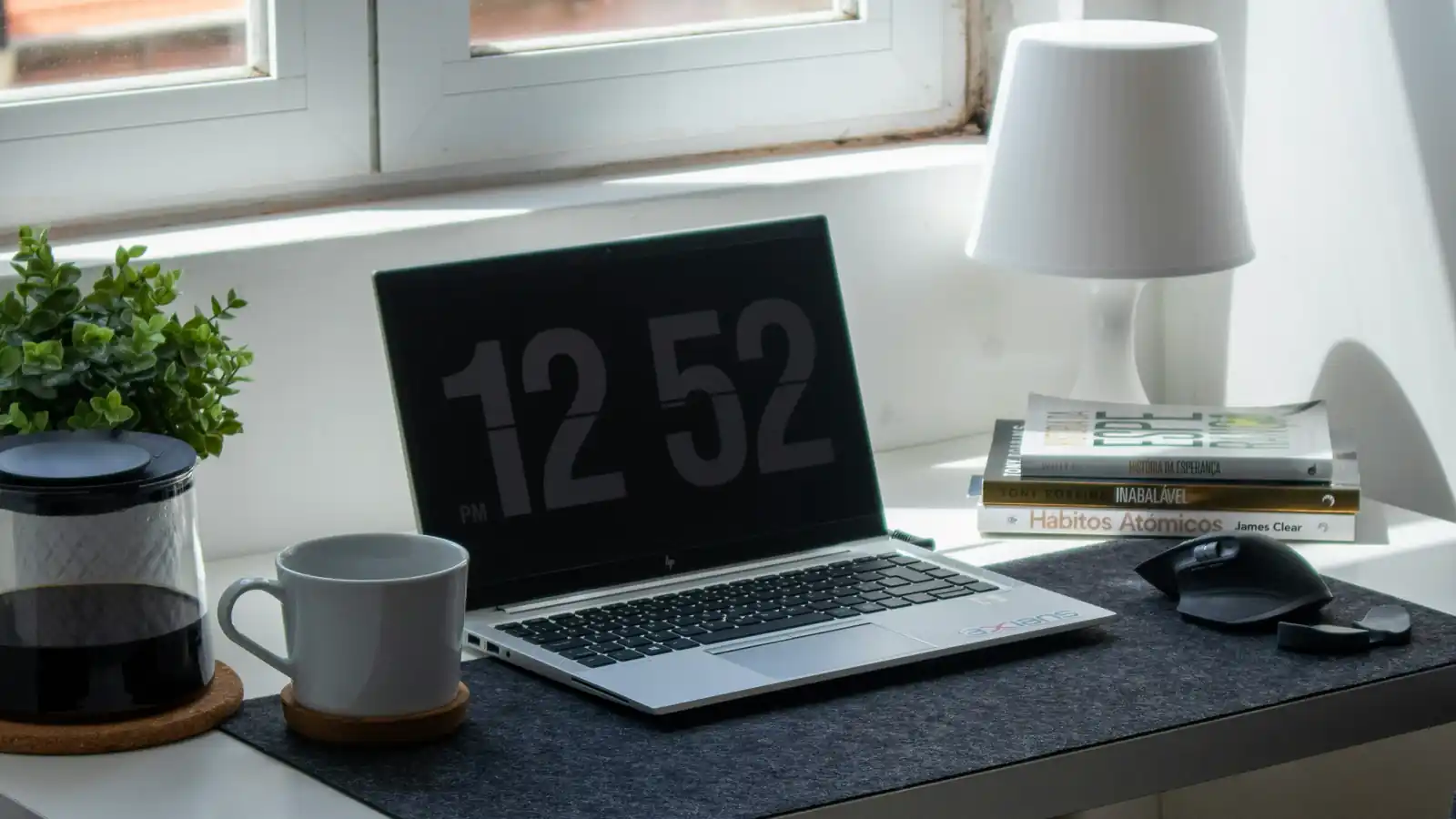
ADHD Daily Routine: Morning and Evening Habits That Stick
Discover practical morning and evening routines designed for the ADHD brain. Learn how to build flexible habits that work with your neurology, not against it.
If you've ever heard the advice that you just need to "wake up at the same time every day" or "establish a consistent evening routine," and felt like something was broken inside you when you couldn't stick to it, you're not alone. Routine advice is everywhere—and most of it is written for neurotypical brains. For those of us with ADHD, the standard approach to routines feels like trying to fit a square peg into a round hole. We're not lazy or undisciplined. We're just working with a different operating system.
The truth is that building an ADHD daily routine — an ADHD-friendly routine that actually sticks — requires understanding why your brain resists structure in the first place, and then designing systems that work with your neurology instead of fighting against it. This isn't about willpower or motivation. It's about creating structures flexible enough to accommodate your ADHD while still providing the scaffold your brain actually needs.
Why Traditional Routines Fail for the ADHD Brain
Before we talk about what works, let's acknowledge why the conventional wisdom doesn't land for most ADHD adults. The standard routine advice assumes a few things that simply don't apply to ADHD brains: that novelty doesn't dominate decision-making, that willpower is a renewable resource, and that once you commit to something, your brain will consistently value that commitment.

ADHD brains are wired differently. Your brain may struggle with the initiation of tasks, even ones you genuinely want to do. Dopamine regulation is different—you might feel completely unmotivated about a morning routine you've been doing for years, then suddenly hyperfocus on something entirely new. Executive function can be variable; a morning routine that felt manageable on Monday might feel impossibly rigid by Thursday. Time blindness means that a routine relying on specific time windows can become a source of shame rather than structure.
There's also what researchers call "time inconsistency" in ADHD—future-you doesn't feel real to present-you. When you're lying in bed at 6 AM, the logical reasons you went to bed on time last night don't register as strongly as how comfortable your bed is right now. This isn't a character flaw. It's how your brain prioritizes immediate comfort and safety over abstract future goals.
Additionally, many ADHD adults develop shame around routines. You've tried. You've failed. You've watched other people make it look effortless. That shame becomes part of the routine itself, making mornings and evenings feel like daily proof that you're doing life "wrong." Any routine design that doesn't address this shame component will eventually collapse.
Reframing What "Routine" Means for ADHD
The first shift in thinking: a routine for an ADHD brain doesn't need to look like a routine. It doesn't need to be identical every single day. It doesn't need to feel automatic. What it actually needs to be is a framework—a set of principles and flexible options that guide you toward better functioning mornings and evenings, even when executive function is low.
Think of it less like a rigid schedule and more like a choose-your-own-adventure book. Your morning routine might have five different acceptable paths to "I've eaten something and gotten dressed," and different days, you take different paths based on your energy, motivation, and circumstance. Some mornings you shower. Some mornings you wash your face and brush your teeth. Some mornings you skip everything except grabbing clothes and water. The goal is still met—you're not starting your day in yesterday's clothes and empty stomach.
This flexibility isn't a weakness in your system. It's the design feature that makes it actually sustainable. ADHD brains desperately need permission to do things imperfectly and still count that as a win.
Another reframe: your routine doesn't exist to prove your discipline. It exists to reduce decision fatigue, lower the activation energy for important self-care, and provide gentle structure without rigidity. If your routine is causing stress and shame, it's not working—even if it looks perfect on paper.

Building Your ADHD Morning Routine
The morning is when ADHD shows up most clearly. Time blindness means you're suddenly running late. Task initiation is hard when you're still foggy. Decision fatigue hits immediately when you open your eyes. Your morning routine framework needs to anticipate all of this.
Start the night before. This isn't about rigid evening prep; it's about making one good decision in a moment of relative clarity and then coasting on that decision in the morning when clarity is gone. Lay out clothes the night before. Prep your coffee or breakfast. Put your keys and wallet in the same spot. The morning-you who can barely function will thank you. You're not removing your morning decisions—you're batching them when you have more executive function available.
Build in sensory grounding. Many ADHD adults feel foggy or disoriented when they first wake up. Before trying to tackle tasks, spend five minutes on something sensory—cold water on your face, a hot shower, strong coffee, a brief walk. This isn't self-indulgence; it's functional. You're activating your nervous system so you can actually access executive function.
Use friction and momentum strategically. Remove friction from things that matter (water bottle by your bed, breakfast ingredients visible, workout clothes already out) and add friction to things that derail you (phone charger across the room, notifications silenced, apps deleted). Your morning brain will take the path of least resistance. Design that path to go where you want it to go.
Create a minimum viable morning. This is your lowest-acceptable-standard morning. On a bad ADHD day, what's the absolute minimum that counts as taking care of yourself? Maybe it's: drink water, eat something with protein, get dressed. Maybe it's just: get out of bed and eat something. Define this without judgment. On good days, you'll do more. On rough days, you're still winning because you hit your minimum. This framework prevents the spiral of "I didn't do my full routine, so what's the point" that leads to skipping everything.
Use novelty strategically. ADHD brains love novelty, but novelty is exhausting to generate. Instead of creating a completely static routine, build in one or two rotating options. You have two breakfast choices, not one. You have two different morning activities you rotate between. This keeps novelty available without creating daily decision fatigue.
The best ADHD morning routines usually look something like: wake up, do something grounding, consume resources (water, food, sometimes caffeine), get dressed, tackle the first task of the day. The specifics change. The person doesn't need to be perfect. But the framework guides them toward starting their day from a place of basic functioning rather than chaos.
If you work from home, this matters even more. One of the most useful ADHD work-from-home tips is to give your morning a clear 'start of work' signal — a walk around the block, a specific playlist, or sitting down at a dedicated spot — so your brain switches from home mode to focus mode.

Designing Evening Routines for Better Sleep and Transition
Evening routines are actually harder than morning routines for many ADHD adults, because they require you to voluntarily reduce stimulation when your brain might actually be coming alive. Many ADHD brains have lower dopamine during the day and then perk up as evening approaches. You're finally feeling awake, focused, and motivated—exactly when you're supposed to be winding down.
Add to this time blindness (you thought it was 9 PM when it's actually 11:45 PM), and an evening routine becomes genuinely complicated. You're not avoiding sleep because you're undisciplined. Your brain has genuinely different sleep regulation.
Treat the evening transition as a series of mini-shifts, not one big shutdown. Instead of expecting yourself to go from "engaged and alert" to "asleep" in thirty minutes, build in a series of transitions. From work to home. From home to low-stimulation activities. From low-stimulation activities to pre-sleep activities. Each transition might be fifteen minutes, and they guide your nervous system toward rest rather than demanding it.
Hack your dopamine timing. If your brain perks up in the evening, work with it rather than against it. Schedule movement, creative work, or other engaging activities for early evening, after dinner. As your ADHD medication (if you take it) wears off, this is actually a good time to accomplish things. Then, once you've fed that engagement need, it becomes easier to transition toward rest. You're not fighting your brain; you're scheduling it strategically.
Create a hard stop. Not for your day—that's unrealistic—but for your screen time and stimulation. ADHD brains often can't self-regulate the transition from stimulation to rest. You need a decision made in advance: screens stop at X time. Blue light is eliminated. This isn't a daily willpower challenge; it's a boundary you've set so your brain doesn't have to fight itself every night.

Use the body to regulate the mind. Many people with ADHD find that physical release in the evening helps sleep quality. This might be exercise, stretching, fidgeting with fidget toys, or even rocking. It's not about being "tired out"—it's about proprioceptive input and nervous system regulation. What helps your body calm down?
Design pre-sleep rituals with the ADHD brain in mind. "Read a book" is terrible advice for many ADHD adults, because our brains might hyperfocus on the book and suddenly it's 2 AM. Instead, use pre-sleep rituals that have built-in stopping points: a specific stretch routine, a guided meditation with a set length, a bath for exactly twenty minutes. You're giving your brain something engaging enough not to race, but with a clear ending point.
A functional ADHD evening routine might look like: finish work, move your body or do something engaging for thirty minutes, eat dinner, transition to lower stimulation, hard stop on screens, pre-sleep ritual, bed. Again, the specifics are flexible. The person might skip the exercise or adjust the timing. But the framework guides them toward better sleep.

Flexibility as a Feature, Not a Bug
Here's something crucial: your ADHD routine will break. You'll travel. You'll have a hyperfocus day where you forget to eat. You'll have a crash day where getting out of bed is genuinely the full achievement. Your routine will be perfect for two weeks and then completely derail.
This is not failure. This is normal.
The resilience of an ADHD routine isn't measured by how consistently you follow it. It's measured by how quickly you can restart after disruption. Build in a "resumption protocol"—not another thing to perfect, but a simple way to restart. Maybe it's: if I lose my routine, I spend one day doing just my minimum viable routine. If I'm stuck, I return to just one element that felt good. I don't restart from zero trying to do everything; I restart with compassion and clarity.
Also recognize that your routine might legitimately need seasonal or cyclical changes. Your winter morning routine might be different than your summer one. Your routine during a work crunch might be different than during calmer periods. This isn't inconsistency; it's adaptation. An ADHD routine is designed to evolve with your life.
Common Pitfalls and How to Avoid Them
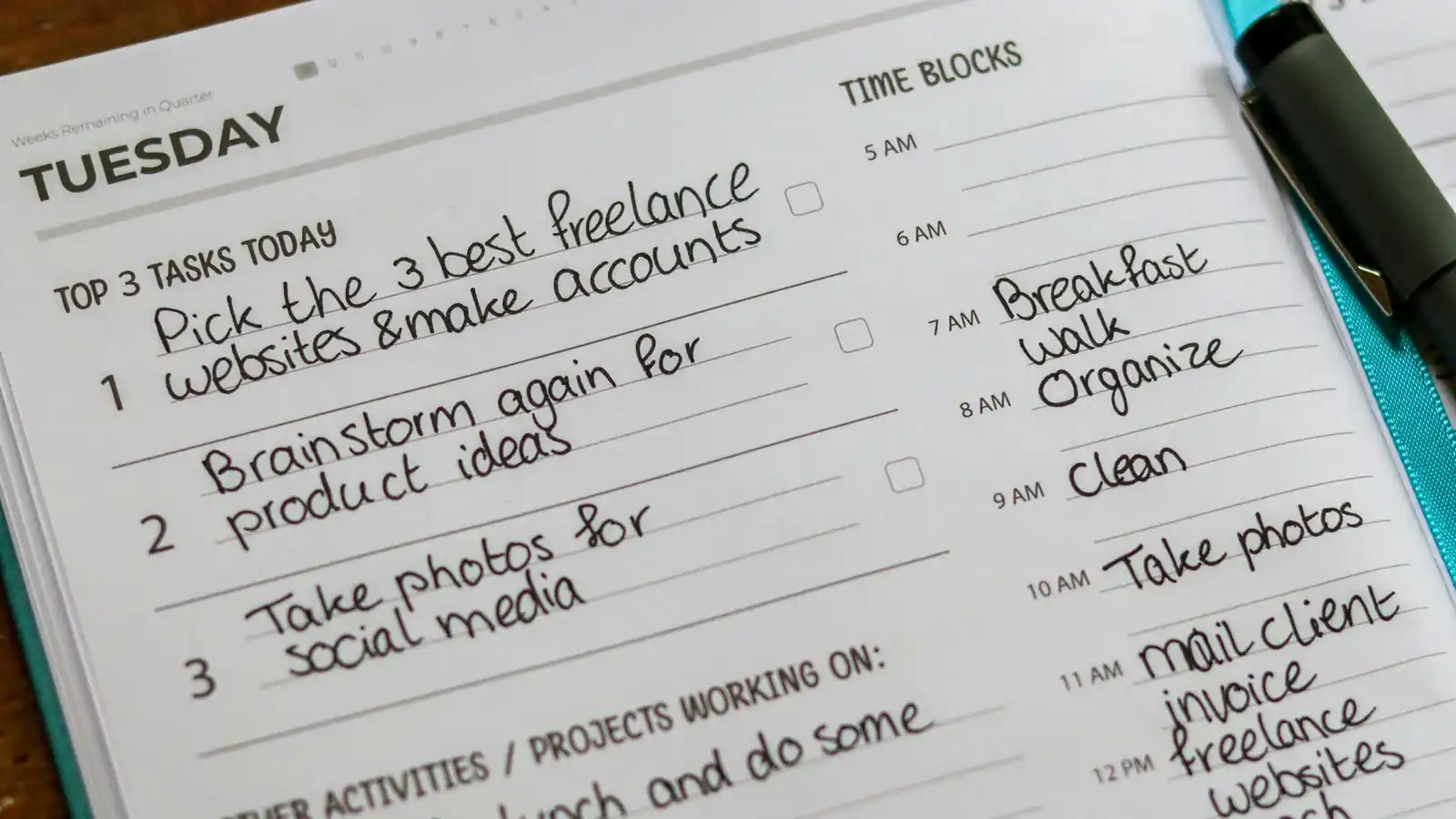
One major pitfall is making your routine so complex that it requires more executive function than it saves. If your morning routine has twelve specific steps in a specific order, you've built something that only works when your executive function is high—which is exactly when you least need the routine. Simpler is usually better.
Another is creating routines based on guilt rather than values. If your evening routine includes things you "should" do rather than things that actually help you feel better, you'll eventually abandon it. Check in: does this actually make me feel better, or am I doing it because I think I'm supposed to?
Shame spirals are real. You'll have mornings where your routine completely fails. Don't add shame to it. You didn't fail because you're broken. You failed because you're human, and you have ADHD. Restart without the narrative that you've "ruined" anything.
Finally, avoid comparing your routine to other people's routines. Your neighbor's 5 AM workout routine might be genuinely impossible for your ADHD brain. That's okay. Your routine is good if it serves you—not if it looks impressive or matches what successful people do.
Conclusion: Your Routine is a Tool, Not a Test
Building an ADHD morning and evening routine isn't about achieving perfection or proving that you can stick with something. It's about creating a framework that supports your brain in taking care of itself, even on days when executive function is low. It's about reducing decision fatigue, lowering activation energy, and building in enough flexibility that you can sustain it when life gets chaotic.
The best routine is one you actually do—imperfectly and inconsistently—rather than the perfect routine you give up on by Wednesday. Your ADHD routine will look different than everyone else's. That's not a problem to fix. That's the whole point.
Start small. Pick one element that might help, and try it for a few days. Notice what actually makes you feel better versus what makes you feel obligated. Build from there. Your morning and evening routines exist to serve you and your brain, not to prove anything to anyone.
Ready to find your focus?
Steady Station is a distraction-free soundscape and Pomodoro timer built for ADHD minds.
Try Steady Station for free →